


Why Regular Maintenance and Service is Important
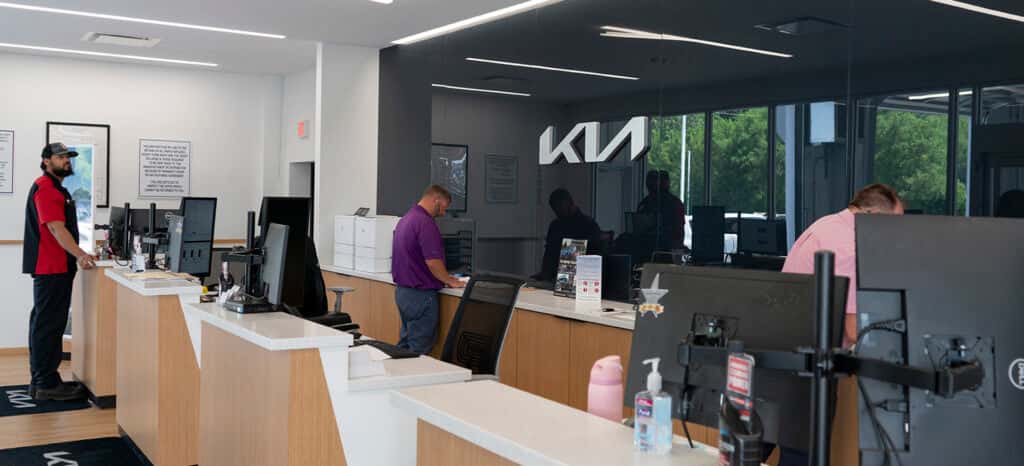
Finding a trusted service center to take care of your vehicle isn’t just about avoiding breakdowns—it’s about safety, savings, and long-term performance.
Regular maintenance, especially oil changes, keeps your car running smoothly and helps prevent costly repairs down the road. It’s a great idea to keep up on maintenance intervals both to keep things running healthy and smoothly, but also to stay ahead of any issues by having your vehicle looked over by an expert during the service. Obviously, we are a Kia Dealer and Service Center, but we’re also happy to service just about any make or model!
Regular Vehicle Maintenance Services
Oil Change Service: Includes a complete draining of the used oil, replacing the oil filter, filling the engine with clean, fresh, high quality oil. While we’re in there, we will check other fluid levels and make sure everything looks good!
Tire Rotation Service: Rotating your tires and (keeping them inflated properly) can help balance the wear between your front and rear tires and improve their lifecycles, and is also usually accompanied by a slight bump in fuel efficiency. Your tires do a lot more than most people give them credit for, they’re the one thing that connects you directly to the road! It’s pretty typical for most vehicles front tires to wear slightly more quickly than the rear tires due to steering, and in most cars being front wheel drive, that is where power is being applied to meet the road.
Air Filter Replacements: A very simple, affordable way to maximize your efficiency and keep your car happy. When you break it down, an engine is really an air pump, so making sure that your air filter is clean to get the most amount of air safely, while also blocking out harmful debris and contaminants. A dirty or blocked up air filter can reduce air intake into the engine, harming efficiency. The same can be said about the Cabin Air filter that filters air coming into the interior passenger space, that’s the air you’re breathing! Replacing your cabin air filter can help reduce interior odors and improve interior air quality!
Schedule Service>

Seelye Kia Customer Main Lounge
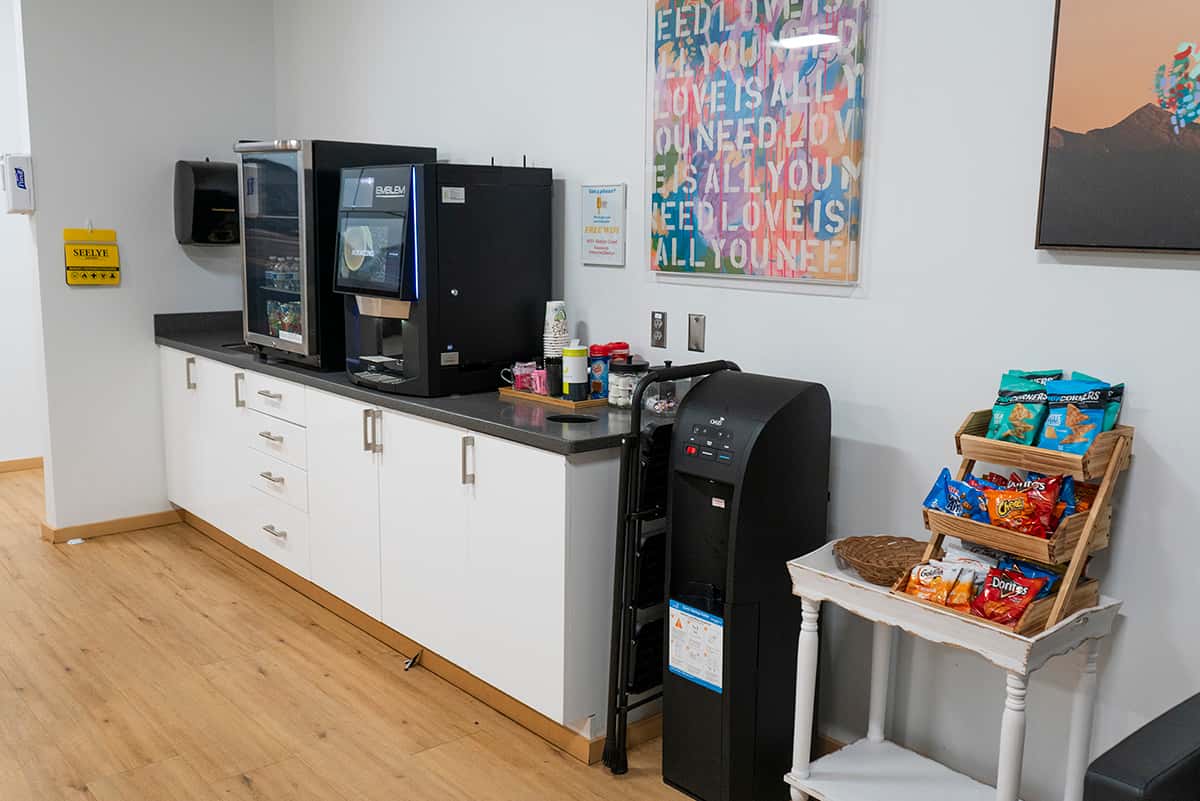
Seelye Kia Accomodations
Why Oil Changes Are Essential
Engine oil lubricates moving parts, reduces friction, and helps control internal engine temperature.
Quality Engine Oil Change: Reduces wear between engine parts, improving the longevity of your engines healthy lifecycle.
Replace Engine Oil Filter: Always changed when doing an oil change, this is vital to protect your engine from harmful contaminants that can find their way into the oil.
Reduce Chance for Sludge Buildup: As the oil in your engine ages, it is constantly cycling through the engine, heating up as it moves through the engine. Overtime the oil will start to compositionally coagulate (essentially become more like syrup or sludge) that will eventually work its way down into the oil pan. If too much sludge collects together, it can potentially block the oil pick up tube that supplies the cooled-down cycled oil back up to the oil pump into the engine. If the engine cant get fresh oil, things heat up, lose lubrication and ultimately seize up, resulting in catastrophic engine component failures.
Skipping oil changes can lead to overheating, poor or rough running performance, and even engine failure.
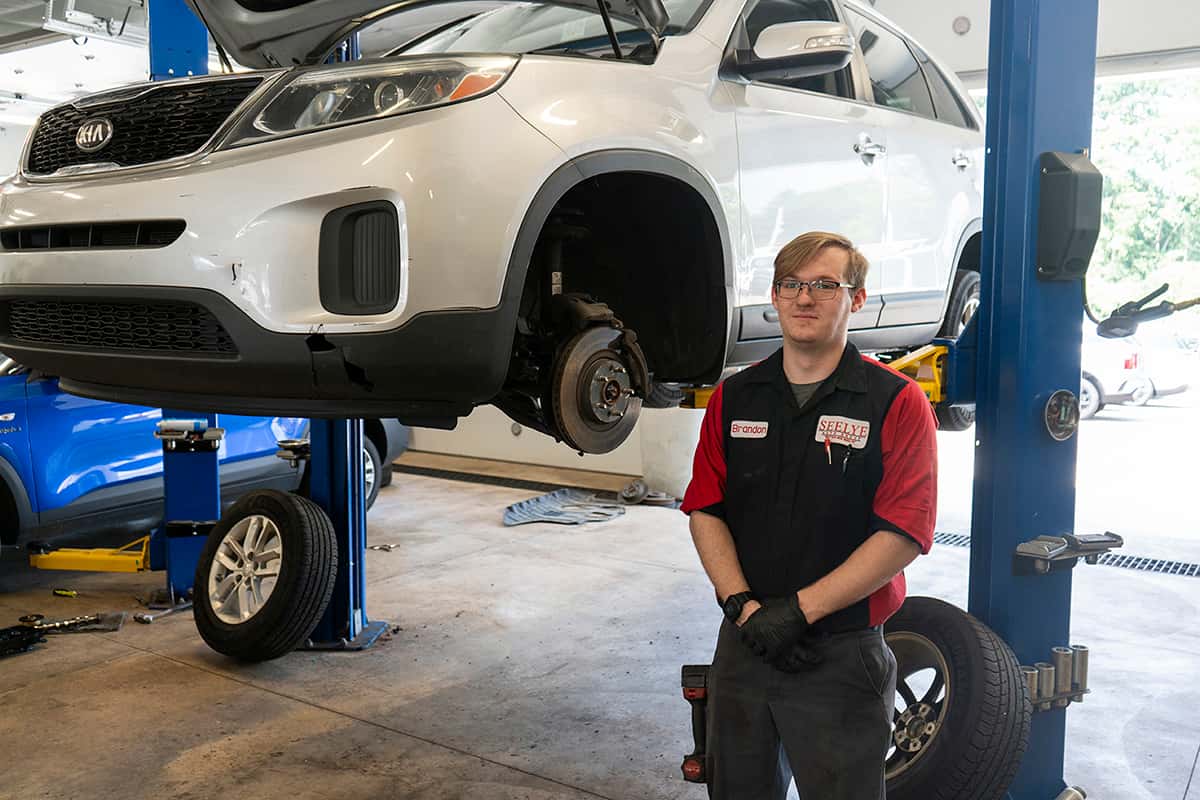
+ Benefits of Regular Maintenance
- Can Improve Fuel Efficiency
- Helps Extends Vehicle Lifespan
- Enhances Safety on the Road
- Reduces Risk of Unexpected Breakdowns
- Is a good way to keep tabs on components upcoming wear items, before they become a problem.
- Maintains Resale Value, and is good for Vehicle History Records
– Signs Your Car Needs Attention
- Strange noises or vibrations
- Vehicle’s driving behavior doesn’t “feel right”, or is inconsistent or unpredictable
- Warning lights on the dashboard- whether they are solidly illuminated lights, or if the warning lights show up and then disappear.
- Running rough at idle or under acceleration, which can feel like extra vibrations, or engine hiccups.
- Significantly decreased fuel economy
- Dark or dirty engine oil, or increase in oil consumption between oil changes.
- Any smoke outside of regular exhaust condensation (usually on first start up)
Keep Your Car Running Strong
- Check your owner’s manual for recommended service intervals, or contact one of our service advisors for more info!
- Schedule oil changes every 3,000–5,000 miles (or as advised). Some manufacturers recommend longer intervals, but a good rule of thumb for most vehicles is every 3,000 to 5,000 miles, especially on turbocharged vehicles.
- Don’t ignore warning signs—act early. If something doesn’t feel right while driving- it probably isn’t!
- Visit a trusted mechanic for routine inspections. We’d be thrilled for you to choose us as your trusted service center!
- Keep a maintenance log to track services.
Staying on top of regular maintenance is a simple habit that protects your investment and keeps you safe on the road. A little care today can save you from major problems tomorrow!
Schedule Service>
or Contact Our Service Advisors>
Frequently Asked Questions (FAQ)
How often should you get an oil change?
Most modern vehicles need an oil change every 3,000 to 10,000 miles, depending on driving habits and oil type. Always check your owner’s manual or consult your Seelye Service Advisor for the recommended oil change interval and more information.
What happens if you don’t change your oil?
Skipping oil changes can cause engine wear, overheating, and sludge buildup, eventually leading to expensive repairs or engine failure.
How do you know when your car needs an oil change?
Common signs include:
- Dashboard oil warning light
- Dark, Dirty Oil
- Loud Engine Noise
- Rough Idling
- Decreased Fuel Efficiency
Many vehicles also have an oil life monitoring system that alerts you automatically at different thresholds.
What type of oil does my car need?
Most modern vehicles are designed with synthetic oil in mind, and the oil weight/viscosity varies based on model, application, and environmental factors.
However, there are a few general types of oil available on the market,
Conventional Oil, Synthetic Oil, and Synthetic Blend Oil.
Check your owner’s manual to ensure you’re using the correct oil grade, weight and type.
How long does an oil change take?
A standard oil change usually takes 30 to 45 minutes, depending on the scheduling and your vehicle oil capacity.
Can I change my oil myself?
Yes, a DIY oil change is typically fairly easy, if you have the right tools and knowledge. But for today’s market on how much retail oil costs, it’s not that big of a difference between getting underneath your own car than it is to just drive into us, check over the vehicle while we’ve got in the air for your peace of mind, while you can enjoy a coffee or cocoa for a brief wait in our lounge.
If you’re doing it yourself, just be sure to: Drain the used oil properly, Use the correct oil type to refill to the called for, Replace the oil filter, make sure you put the drain plug back in snuggly, Dispose of used oil properly
What does the oil warning light mean?
The oil light generally may indicate low oil pressure or low oil level. If it comes on, stop driving as soon as it’s safe to do so, and check your oil immediately to prevent engine damage. But be careful as it may be fairly hot on the dipstick!
Is Synthetic Oil better than Conventional Oil?
Synthetic oil generally lasts longer, performs better in extreme temperatures, and provides superior engine protection. However, not all vehicles require it, and in certain high performance applications that story may be different.
Do I still need an oil change if I don’t drive much?
Yes. Oil can break down over time even if the vehicle isn’t used often. It’s generally recommended to change your oil at least once every 6–12 months, even if you don’t hit the recommended mileage threshold.


0 comment(s) so far on Why Regular Maintenance and Service is Important